Welcome to our Summer Edition!
Consultations
School Food Standards
There is still time to complete the government’s open consultation on updating the legislative framework for School Food Standards. The consultation closes on the 12 June 2026. School Food Standards: updating the legislative framework – GOV.UK
Applying the new Nutrient Profiling Model to advertising and promotions restrictions
Closing on the 17 June 2026 this consultation seeks views on proposals to apply the new Nutrient Profiling Model to the advertising and promotions restrictions on ‘less healthy’ food and how best to implement these measures to help reduce childhood obesity. Applying the new NPM to advertising and promotions restrictions – GOV.UK
School Food Standards
There is still time to complete the government’s open consultation on updating the legislative framework for School Food Standards. The consultation closes on the 12 June 2026. School Food Standards: updating the legislative framework – GOV.UK
Applying the new Nutrient Profiling Model to advertising and promotions restrictions
Closing on the 17 June 2026 this consultation seeks views on proposals to apply the new Nutrient Profiling Model to the advertising and promotions restrictions on ‘less healthy’ food and how best to implement these measures to help reduce childhood obesity. Applying the new NPM to advertising and promotions restrictions – GOV.UK
Spotlight article: We Grow CIC
🌱 From Growing Spaces to Stronger Communities: A Visit to We Grow CIC
One of the highlights of my season so far has been visiting We Grow CIC at one of the community growing sites they have helped to establish here in East Sussex.
With a focus on how shared growing spaces can bring people together, I wanted to better understand the role these projects play in strengthening communities, supporting wellbeing, and helping people build more connected relationships with food. What I learnt from speaking with Andi Jaffey was inspiring, practical, and full of hope.
🌿 Growing more than food
We Grow CIC (a Community Interest Company) started very organically — by bringing people together to grow food, eat together and build relationships. At its heart is a simple but powerful mission:
‘to encourage people to grow food together, improving food security while strengthening connections with each other and with the food we eat.’
Their work goes beyond growing vegetables — it’s about growing confidence, knowledge and community.
🌼 Learning, sharing, and leading
A key part of their approach is training local leaders to set up and support their own growing groups. By doing this, We Grow CIC is helping to build a network of people who can support each other — sharing skills, knowledge and encouragement.
It’s also a fantastic opportunity for children and young people to learn alongside adults, reconnecting with where food comes from and how it is produced.
🌍 From foodbanks to food resilience
Foodbanks remain an essential safety net, but they are not a long-term solution to food insecurity — and they cannot offer the same freshness, quality or connection as food grown locally.
What We Grow CIC demonstrates is a different pathway:
➡️ supporting people to grow their own food
➡️ creating opportunities to connect with others
➡️ building resilience — both in individuals and in the wider food system
By doing this, they are helping to shift the focus from crisis response to longer-term sustainability and wellbeing.
🥕 A community in action
The site I visited is located within a residential development, where small areas of land have been made available for residents to grow food together.
It was a warm, sunny afternoon, and I had the chance to get involved — planting potatoes alongside other wonderfully friendly volunteers. Around us, there were already thriving crops, including carrots and other vegetables.
What really stood out was the ingenuity and collaboration:
- Potatoes being planted had come from a community fridge, turning potential waste into future harvests
- Residents had approached a neighbouring business to use rainwater runoff from their roof for irrigation
- Tools had been donated, either by residents or through community networks
- Manure and compost were sourced locally and at no cost
- Seed swaps helping keep costs low and knowledge flowing
Everyone contributes a small amount of time and energy, and in return shares in the rewards — fresh, homegrown produce and a strong sense of belonging.
🌻 Growing anywhere — starting small
One of the most encouraging takeaways from the visit is that growing your own food doesn’t need to start with an allotment or a large piece of land.
Don’t forget that growing fruit and vegetables can happen in the smallest of spaces — from a windowsill herb pot to vertical growing systems. Often, the only real limit is imagination.
This accessibility is key to building resilience, helping more people take that first step towards growing their own food, no matter where they live.
🌾 Looking ahead: growing the model
Through my conversations with Andi, their passion for connecting people — both to nature and to each other — was clear.
We Grow CIC is now looking to expand its “Corner of the Farmers Field” initiative, which aims to work with farms to make use of underutilised land — whether it’s awkward corners, turning areas, or spaces not suitable for machinery — and turn them into productive growing spaces for local communities.
They are currently seeking 10 more farms to get involved, opening up even more opportunities for people across East Sussex to grow food locally. For more information visit the We Grow CIC website.
🌱 Learning by doing
Another standout aspect of We Grow CIC is their wide range of training opportunities. You don’t need prior knowledge or experience — you simply learn by getting involved, trying things out, and growing alongside others.
🌟 A personal reflection
I want to say a heartfelt thank you to everyone who welcomed me so openly. It was a privilege to spend time with such a knowledgeable and passionate group, and to see first-hand the impact of their work.
What I took away most strongly was this:
Building a better food system doesn’t always start with policy — sometimes it starts with people, a patch of land, and a willingness to grow something together. The Director of We Grow CIC is passionate about connecting people, the fruit and vegetables come second.
If you want to get involved, I thoroughly recommend visiting the We Grow CIC website for more information and inspiration. Whether you are a single person looking to join a group or a farmer with an area of land that could be used, take a look and see how you can increase your connections to people.
Latest Food Partnership News
Eastbourne Food Partnership
In April, we hosted our second Eastbourne Community Food Network (ECFN) meeting of the year. The event brought together local organisations, public health representatives and food charities to explore challenges around food access, health and community support.
We heard from Dr Carla Pereira and Liu Zhong from the Open University, who are researching how surplus food can be better redistributed. Their work looks at supply chains to identify where improvements can be made, highlighting the ongoing issue of food scarcity alongside local food surplus.
Public health was also a key focus, particularly the rise in alcohol-related harm in East Sussex. Discussions covered gaps in support, the development of a new Alcohol Strategy, and the services currently available.
Wider updates reflected growing demand for food support, increasing homelessness, supply pressures and new initiatives. There was a strong shared commitment to improving collaboration, strengthening support pathways and driving long-term change.
We also took part in a Volunteer Recruitment drive at The Beacon, alongside four of Eastbourne’s community fridges.
Eastbourne Spring Fair
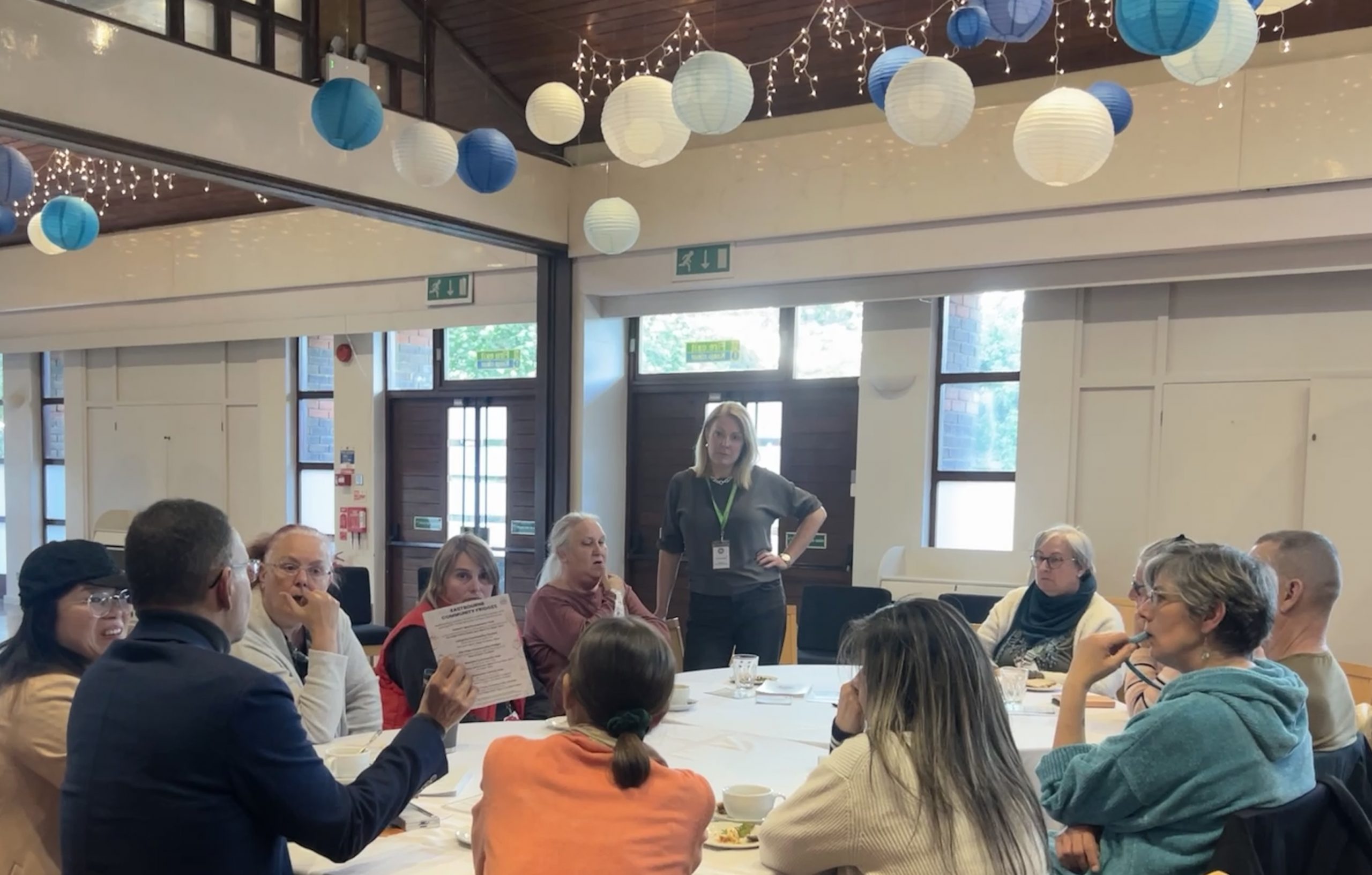
In May, we were delighted to be invited to the Eastbourne Spring Fair, a vibrant community event organised by the fantastic Karine from Plastic Free Eastbourne. It was a lovely warm, sunny day, which offered a brilliant opportunity to connect with a wide range of local organisations and meet residents from across the town. It was especially valuable to have conversations about our work, while also celebrating and learning more about the many inspiring projects and initiatives happening locally. Later in the month, we brought partners together again for a more focused evening social event at Kings Restaurant. This provided a relaxed but purposeful space for key organisations and representatives to share updates, reflect on current challenges, and explore opportunities for closer collaboration.
Hastings Food Partnership
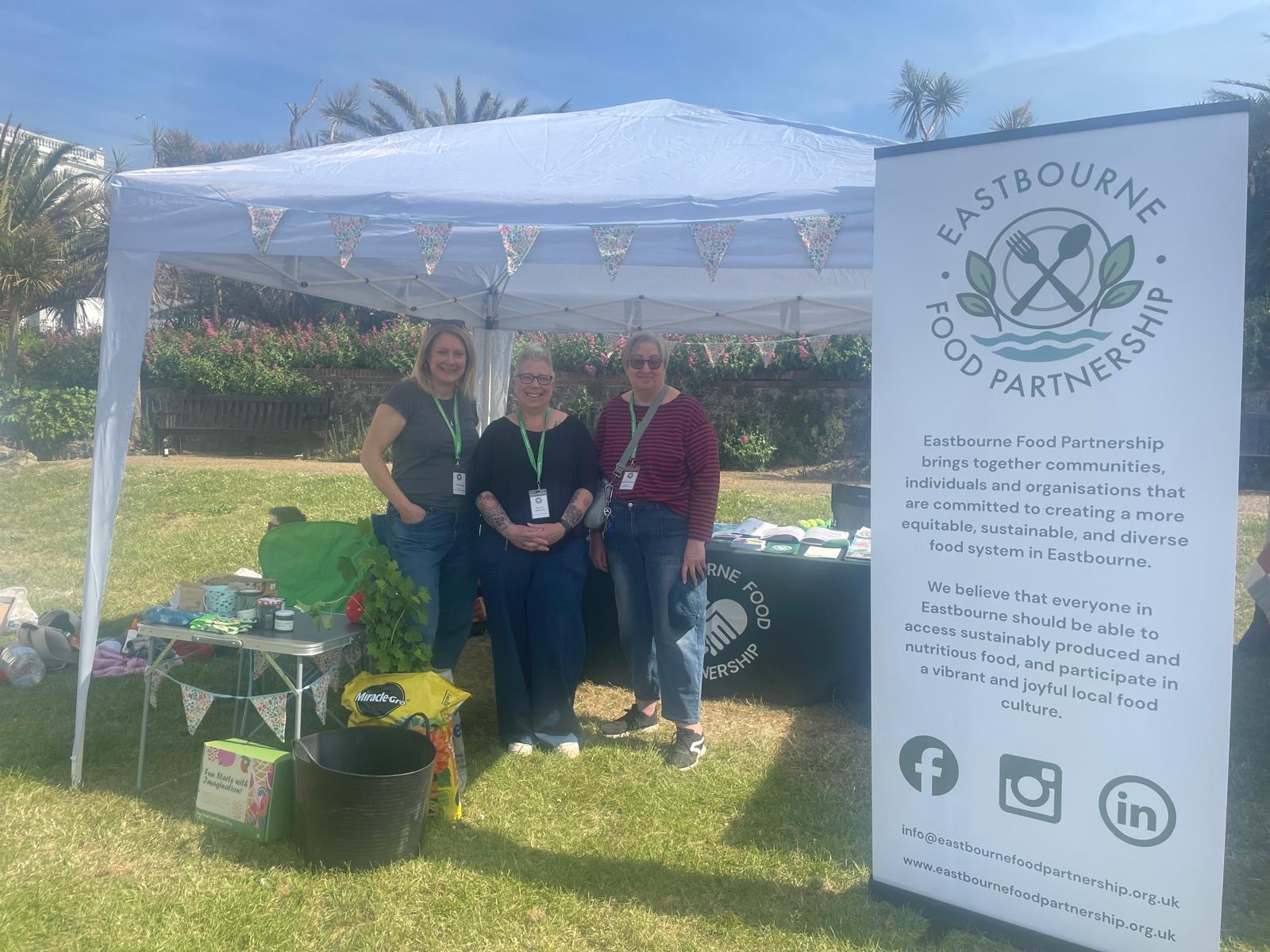
The Hastings Food Network supported the Links Project and Community of Sanctuary to host one of their quarterly celebrations during April. Over 150 people came to the Links Project for the Easter Gathering to receive advice, whilst also enjoying Kurdish music, Easter crafts and shared food. Sustenance Food Support also joined the event, providing delicious vegan soup and bread. The Hastings Food Network will also be supporting the Links/Community of Sanctuary collaborative events during Refugee Week 2026 (15 to 21 June 2026).

Edible Open Gardens is back for 2026!
Over the weekend of June 27th and 28th, Town Grown will be celebrating local food-growing projects in all shapes and sizes, from window boxes and small domestic gardens to community schemes and commercial smallholdings.
Brochures with details of all participating venues will be available at the Edible Open Gardens launch party, on Friday 5th June at 6:30pm, kindly hosted by Alexandra Park Greenhouse. Come along to meet the growers, learn more about the projects, and enjoy some seasonal drinks and nibbles.
East Sussex College & Hastings Voluntary Action Strengthen Partnership: Cooking up new food programmes
East Sussex College and Hastings Voluntary Action (HVA) have strengthened their partnership to deliver a series of culinary education programmes designed to bring people together, build confidence, and support local residents with practical life and employability skills.
The collaboration will see jointly designed courses delivered across Hastings, supported through HVA’s wider food project work, with a focus on food education, community cohesion, health and wellbeing, and pathways into further learning and employment through food-related education and community support initiatives.
Two new programmes will launch this academic year, with three cookery workshops planned across June and July, and additional community food education opportunities already in development for the future. The courses are open to local adults of any age, including those who are not in education, employment or training (NEET), individuals in receipt of benefits, and anyone in work earning under £25,000 per year.
The first course, Cooking on a Budget, will take place on the first three Mondays of June at Central Hall from 10am-1pm. Participants will learn how to prepare affordable, nutritious meals while developing practical cooking skills, improving healthy eating habits, and supporting financial wellbeing.
A second Cooking on a Budget workshop will also run at Central Hall on Fridays 3rd, 10th, and 17th July from 10.30am-12.30pm, offering more residents the opportunity to gain practical cooking skills and learn how to prepare affordable, healthy meals.
A second course, Broomgrove Bake Off, will run at Broomgrove Community Centre on the first three Tuesdays of June from 9.30am-12.30pm. This course will get participants baking sweet and savoury pastries and cakes from scratch, while embedding literacy and numeracy skills through recipe reading, weighing, timing, and portioning activities.
Elaine Remon, Head of Adult and Future Skills at East Sussex College, said: “We are incredibly proud to be working alongside Hastings Voluntary Action to deliver training opportunities for our local communities. These courses are about much more than learning to cook or bake – they are about building confidence, improving wellbeing, developing essential skills, and helping people feel more connected within their community. Partnerships like this play a vital role in creating accessible opportunities for lifelong learning and progression.”
The courses have been designed to provide participants with valuable transferable skills to support progression into other educational courses, vocational training, and employment opportunities within hospitality and related sectors.
Alongside employability benefits, the programmes aim to improve essential English, maths, and digital skills in an accessible and supportive environment.
A spokesperson for Hastings Voluntary Action said: “This work is being delivered through our wider food project and dedicated funding stream, which is focused on food education and community-based support. We are pleased to be working in partnership with East Sussex College to deliver these programmes and look forward to exploring further opportunities to promote adult learning within the community, building on this strong foundation of food-related education.”
The partnership between East Sussex College and HVA will continue to grow over the coming academic year, with both organisations developing further community-led learning opportunities that are inclusive, accessible, and responsive to local needs.
For more information about Hastings Voluntary Action’s community food project work and how you can book your place, visit Hastings Voluntary Action.
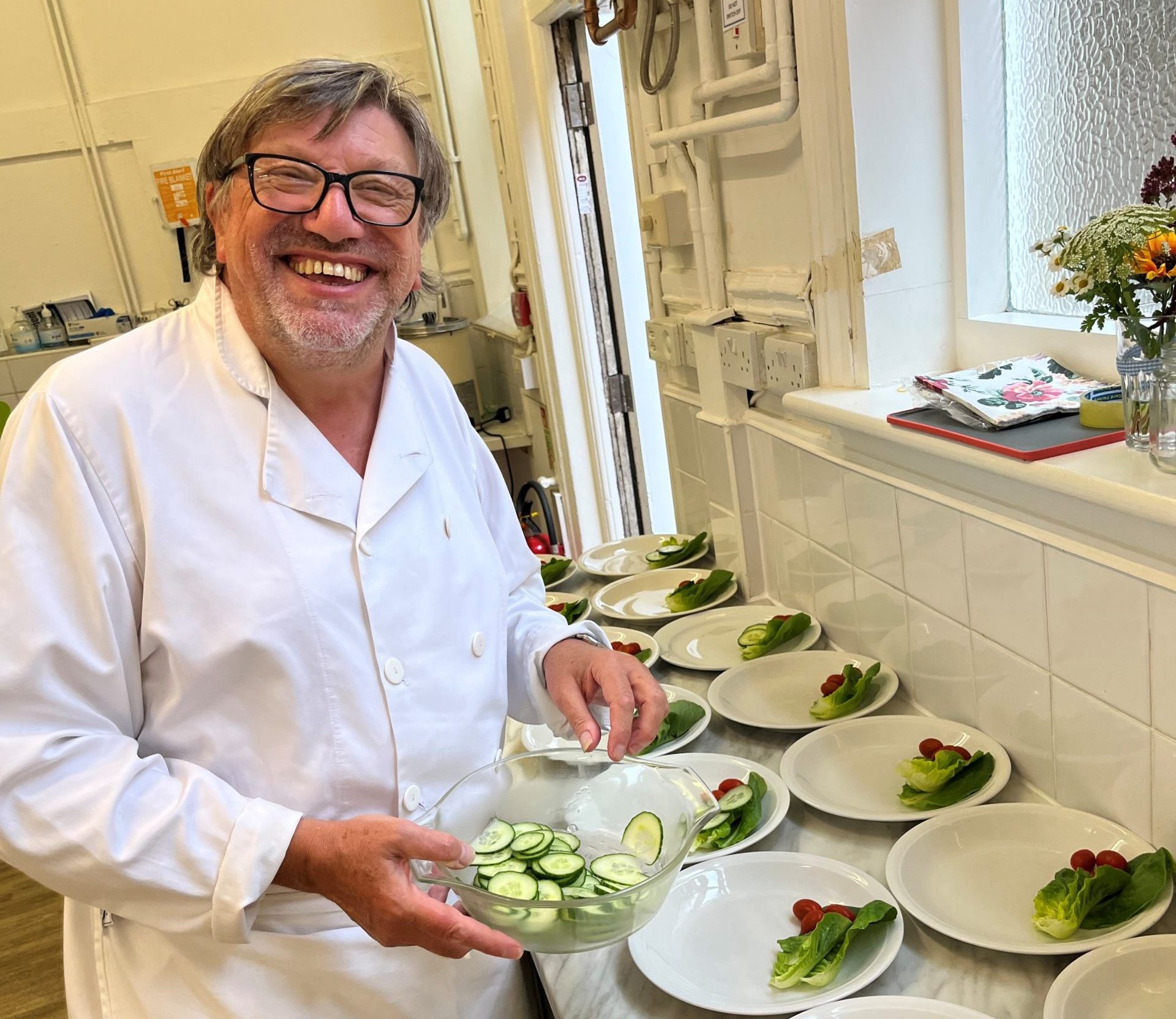
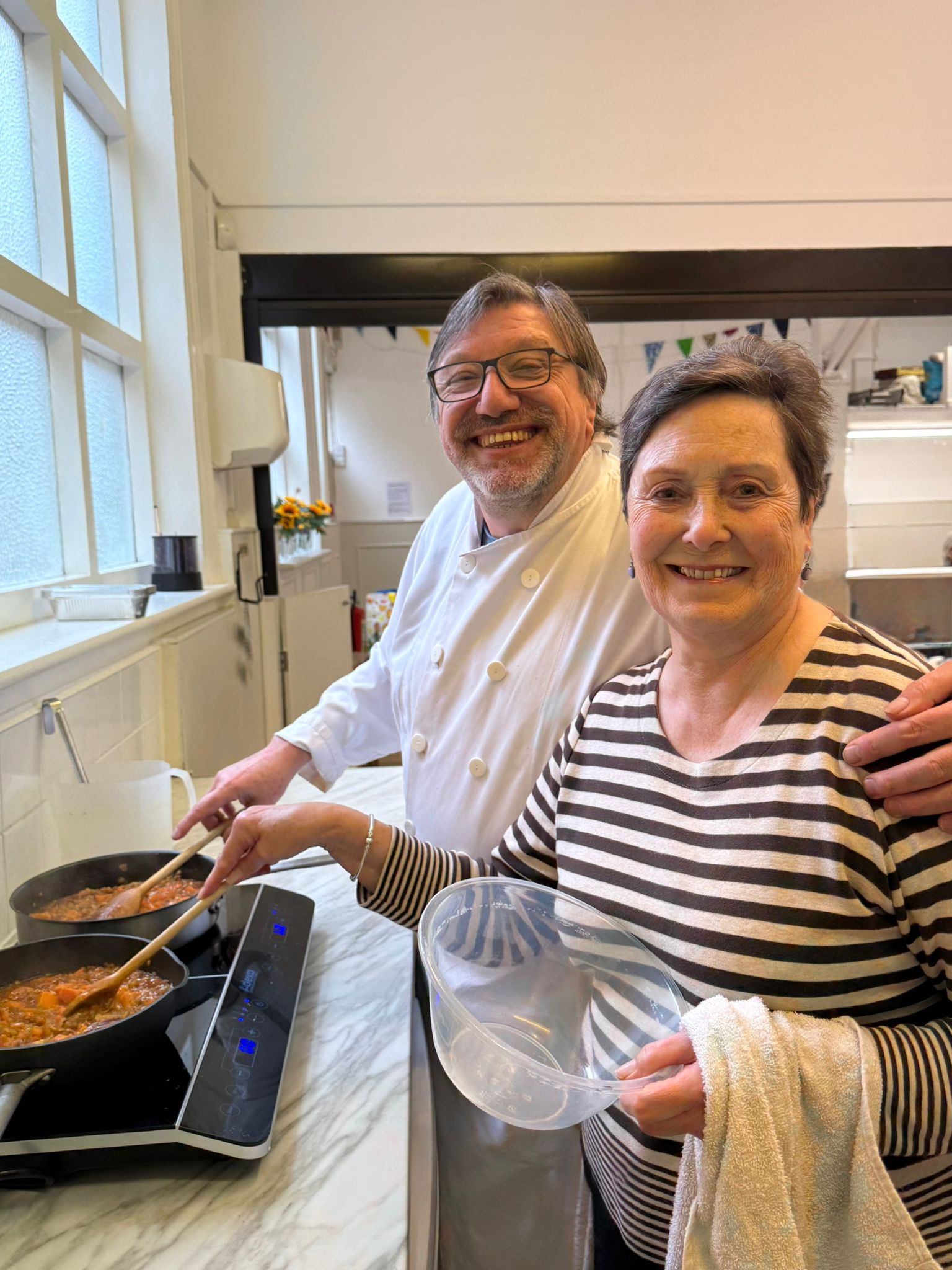
Chef John
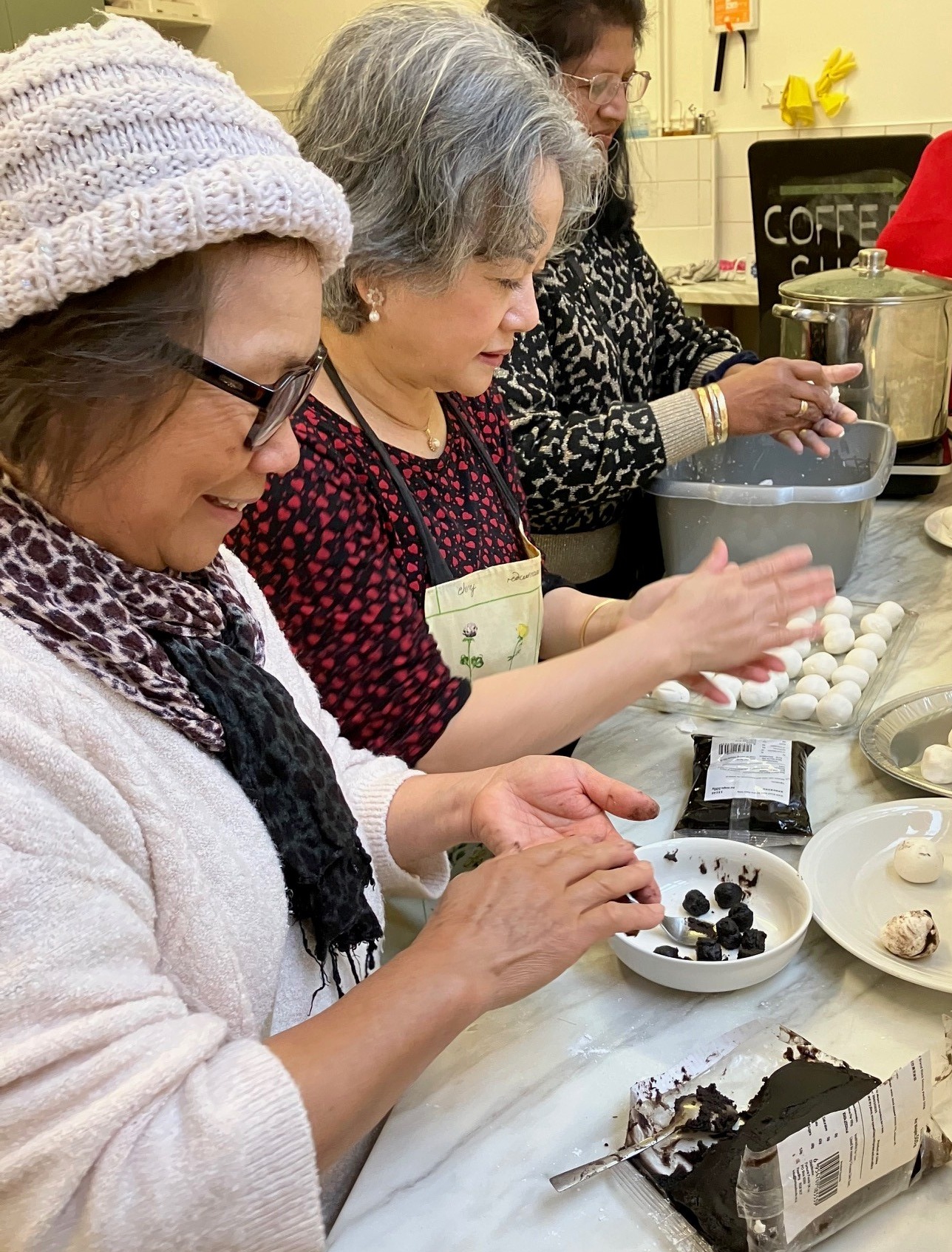
Hastings Food Partnership Cooking
Hastings Food Partnership Induction Hobs
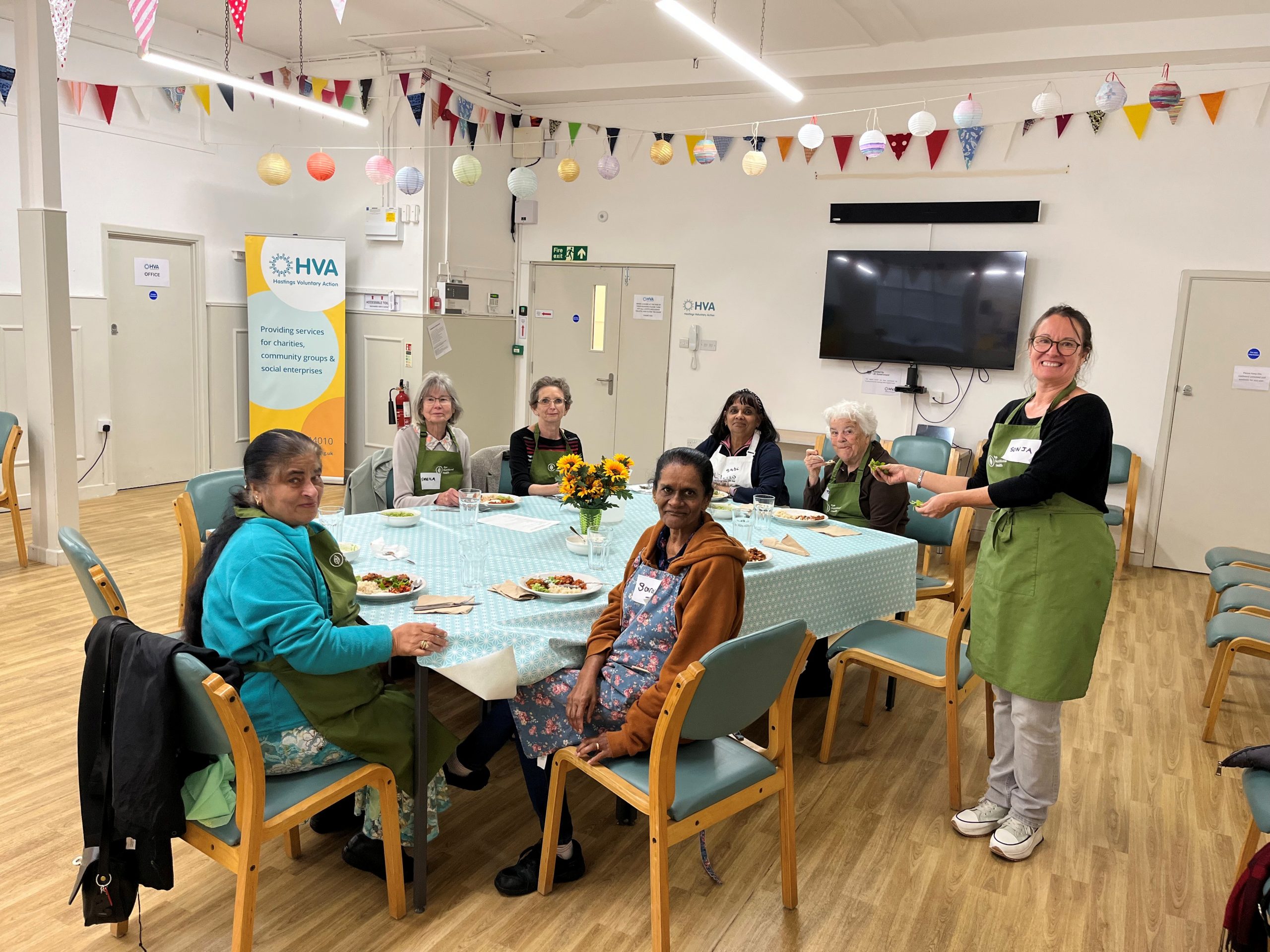
Hastings Food Partnership Shared Meals
Lewes Food Partnership
Growing Resilience: Small Grants Making a Big Difference
Over autumn and winter, Lewes District Food Partnership’s Small Grants Programme supported a wide range of community-led projects tackling food insecurity across the district. Grants of up to £1,500 were awarded to initiatives helping to build long-term resilience through dignified food support, food education, and stronger community connections.
Projects funded through the programme reached people of all ages and backgrounds, from young people learning to cook healthy meals from scratch to community gardens improving access to fresh produce and inclusive growing spaces. Activities included gardening and cookery workshops, youth wellbeing cafés, school cooking courses, community meals, food-growing projects, composting initiatives, and support for vulnerable families.
Many projects focused on practical skills and sustainability — helping people grow food, reduce waste, cook on a budget, and build confidence around healthy eating. Others created opportunities for social connection and cultural exchange, including intergenerational cooking sessions and a multicultural cookbook project led by refugee and migrant women.
The programme supported projects across Lewes District including Landport Community Hub and Garden, Bishopstone Station Community Hub and Gardens, Sharing Skills, Fitzjohns Community Food, SNEEK CIC, Havens Food Cooperative, Lunch Positive, Mercread Youth Centre, and many more.
Together, these projects demonstrate the strength of local communities in creating positive, lasting responses to food insecurity — supporting wellbeing, reducing isolation, and helping build a more resilient and inclusive local food system.
Pinch Points – Bringing Together the Voice of Lived Experience in Lewes District
Lewes District Food Partnership is continuing to work with local partners and residents through the Pinch Points Project, funded by the Lloyds Foundation. Together with Fitzjohns Community Food, Church Action on Poverty, and Malling Foodbank, the project brings together people with lived experience of poverty from across Lewes District to help shape what good support services should look like locally.
The project creates space for honest conversations about the challenges people face and ensures these experiences are heard by local decision makers, including East Sussex County Council. So far, forums have focused on the government’s new Crisis and Resilience Fund and the role of community food spaces in supporting local people.
These discussions are helping to build a stronger understanding of the barriers communities face, while highlighting practical ideas and solutions directly informed by lived experience. One more forum is planned before the end of year two of the project, and we hope to continue building on this work into a third year.
By centring the voices of local people, the Pinch Points Project is helping to influence more responsive, compassionate, and effective support across the district.
To find other information about Lewes Food Partnership please visit Lewes District Food Partnership
Wealden Food Partnership
Connecting Local Buyers & Suppliers
The Connecting Local Buyers & Suppliers event ran in March at Church Farm, Litlington, with over 60 people coming together with a passion and enthusiasm for getting more of our local produce to market. There was a real buzz in the barn with new producers and suppliers connecting with local buyers across East Sussex.
We heard some great talks from Sussex Six, Longbridge Regenerative, Chef’s Farm, Eastbourne Farmers market and A Taste of Ticehurst.
We were served an excellent lunch all provided by local producers and growers which included a fabulous beef casserole from Sussex Grazed, breads and cheeses from Seasons Wholefoods, ferments and kimchi from Artisan Forest Kitchen and canapes from Sussex Surplus.
Some great connections were made at the event with new products now being stocked in local cafes, retailers and farm shops including Plumpton’s One Garden, Seasons Wholefoods and new connections for local farmers markets.
“The event left me feeling optimistic about, inspired by and proud of the local food suppliers and buyers in the East Sussex area. If it was not for this event, I would not have known about a lot of the incredible food offerings and projects locally. I wish many more people could attend these events!”
The Directory is in the process of being updated and can be found on the Wealden Food Partnership website: Good-Food-East-Sussex-Supplier-and-Buyer-Directory-Autumn-2024.pdf
The next event is being planned for October 2026.
Speaker at Buyers & Suppliers Event
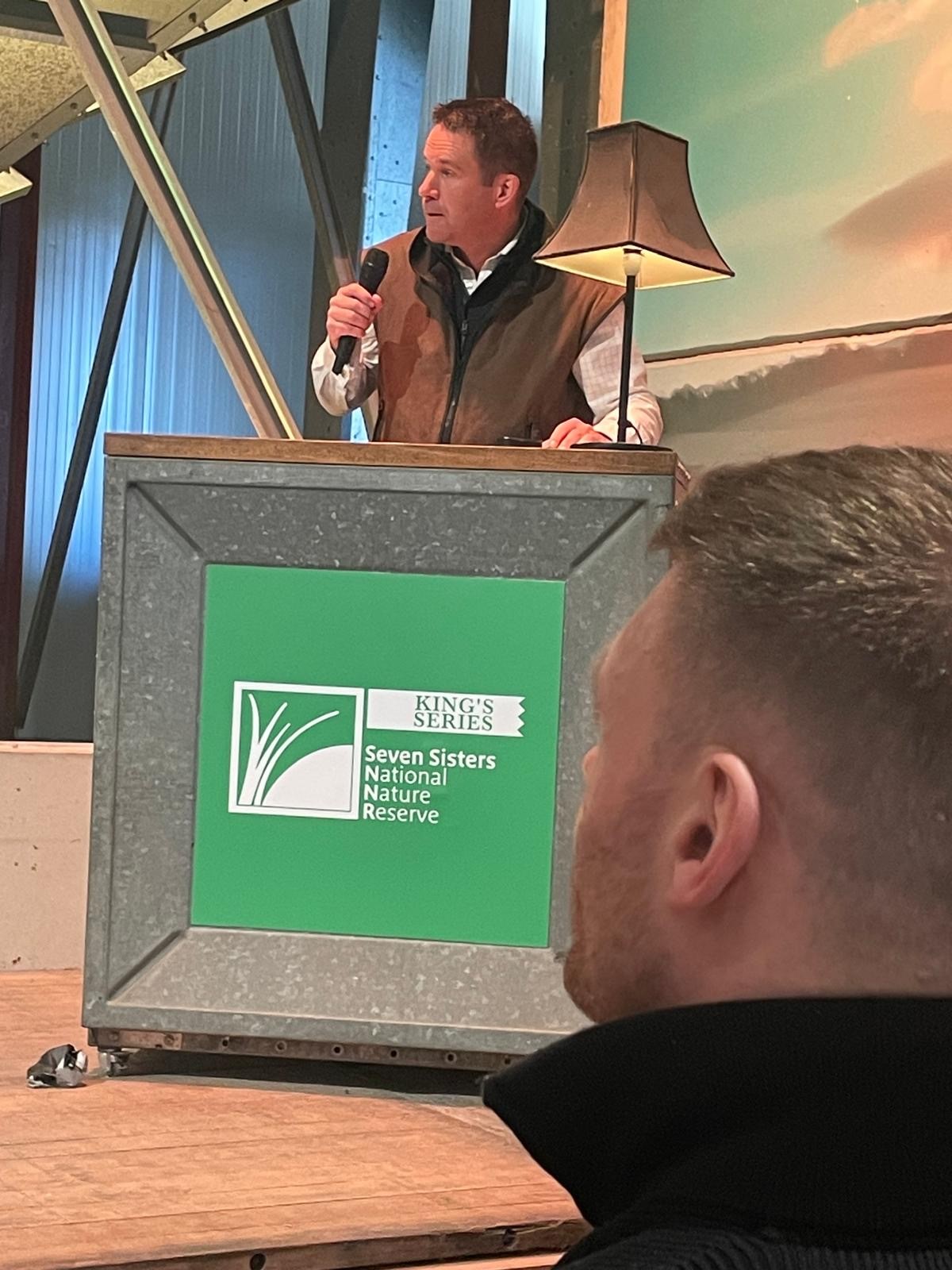
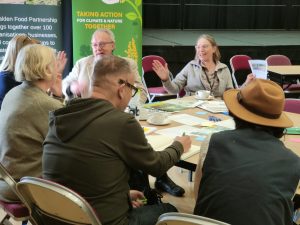
Table Discussion at Wealden Climate & Nature Network
A Taste of Ticehurst
The Wealden Food Partnership Officer attended A Taste of Ticehurst in May which included participating in two panels.
The first panel covered school food and looked at a local case study which analysed school meals and their ingredients. The panel looked at what food partnerships are doing across East Sussex to work on supporting and influencing the school food agenda at a county level, to ensure the Food for Life standards are being met.
The second panel ‘Failing Them at the Final Hurdle; How the Decline of Local Abattoirs is Breaking the Ethical Food Chain’ examined the loss of small abattoirs and the impact on the food system, raising awareness of how small abattoirs support smaller farmers raising organic and rare/heritage breeds, and the crisis we are facing with the loss of the last abattoir in East Sussex. The audience heard from a local farmer about the direct impact on farming, and from the food partnership about the wider work going on to support the last small abattoir in Sussex.
The panels were chaired by Xand van Tulleken and were well attended by a range of people, both locally and nationally.
Wealden Climate & Nature Network
April saw the launch of the Climate and Nature Network for Wealden delivered by Wealden District Council’s Sustainability Team, Community Action East Sussex and Wealden Food Partnership.
Over 100 people came along to hear some inspirational speakers talk about what their groups are doing to address climate change and support nature recovery, including the Soil Factory, We Grow CIC and Green Transition Crowborough.
The Network will be working to plan its next steps to become a place for Helping people connect – creating simple, shared ways for people to find each other and stay in touch, including a website, directory, map, and events listings and Supporting action and collaboration – bringing people together through events, local activities, and joint projects, and creating space to share ideas, skills, and resources.
A key part of the network is about food, food production, growing, soil health and what communities are doing or can do to address this, how they can support each other and learn from existing projects, and collaborate to resource and roll out the things that work.
Future plans
Save the Date – 1 October 2026. Good Food East Sussex month will run in October and will include the next in a series of the Food for Thought conferences run by Plumpton College. East Sussex Food partnerships are involved in the planning of this and will work with local partners to ensure local issues, challenges and successes are highlighted.
A network of Community Fridges and Pantries will be held over the summer to look at how we can work together with local organisations like Sussex Surplus to ensure that local produce gleaned in Wealden is going to our local communities.
Local Filming Projects will highlight the great work going on across Wealden for food related activity. This includes interviewing local farmer Steve Hook of Hook and Son, staff and volunteers at Rotherfield St Martin, Uckfield Community Fridge, East Hoathly & Halland Community Garden and Aspire Farm School. The films will be shown on social media and highlighted on our website.
Funding opportunities and training
East Sussex Council’s funding news Funding News is a great place to find the latest funding opportunities, support and advice.
Notable funding opportunities currently available include:
Boosting local nature – High Weald Nature & Community Fund – £500–£20,000 for projects across the High Weald
Arts & activities for adult wellbeing – Health Lottery Foundation opens this month with grants up to £25k
Green Community Grants Programme | The Wildlife Trusts – The Green Community Grants Programme offers one-year flexible funding for not-for-profit groups in England, Scotland and Wales with an annual income between £10,000 and £1 million.
The A B Charitable Trust, an independent grant-making organisation – supporting work that promotes human dignity and defends the human rights of the most marginalised and excluded people. Next open funding deadline is 31 July 2026.
NFU Mutual Charitable Trust: What do we do | NFU Mutual – promoting and supporting charities in the United Kingdom working in agriculture, rural development and insurance.
Screwfix Foundation | Screwfix – The Screwfix Foundation currently offers local registered charities and not for profit organisations funding in the region of £5,000. All applications are reviewed individually by their team on a quarterly basis, the review dates are in March, June, September and December. Please see Full eligibility criteria.
For more information, please visit Funding News – April 2026 | East Sussex County Council
Food organisations
Below are links for some important organisations in the food movement, many of which have their own regular newsletters that you can sign up to:
- Sustain the alliance for better food and farming, leading on a wide range of projects.
- The Soil Association a national charity supporting sustainable practices in horticulture
- and farming, and more.
- Feeding Britain a national charity working to eliminate hunger in the UK.
Good Food East Sussex
East Sussex communities and businesses come together.
To get involved or find out more about Good Food East Sussex. Please Email us and we will answer any questions, if you are a supplier we are happy to discuss adding you to our listings pages.